Over the past decade, vineyard pole failures in the Northern and Western Cape have become a growing concern, specially in regions where mechanical harvesting has become the norm. SAUPA’s ongoing inspections and research highlight a troubling trend: each year, more wooden poles are breaking, rotting, or losing strength sooner than expected.
In this blog, we unpack why these failures are happening, what the data reveals, and how vineyard managers can build more resilient trellis systems for long-term sustainability.
The findings from SAUPA’s research indicate several critical factors contributing to the increased rate of wooden pole failures in vineyards.
Here are the key points extracted from the research:
1. Mechanical Harvesting Impact: The adoption of mechanical harvesting methods has raised the failure rate of wooden poles. This suggests that the forces exerted during mechanical harvesting, possibly due to the machinery’s weight or its vibrations, are detrimental to the structural integrity of the poles supporting the vines.
2. Yearly Increase in Failure Rates: The escalation of pole failures year over year indicates a compounding problem. Each season’s harvesting (mechanical or otherwise) may further weaken the poles, leading to a cycle in which they become increasingly vulnerable over time.
3. Physical Damage: The poles are not only breaking but also developing cross-fractures, which can compromise their structural integrity. The presence of such fractures can create conditions ripe for more severe damage, such as shell and heartwood rot, especially if moisture enters these fractures.
4. Weight Considerations: In certain areas, the additional weight of the crop is identified as a contributing factor to pole failures. This can be particularly problematic if the vineyard’s original design did not account for the potential weight of heavy yields, leading to inadequate pole support.
5. Decay Over Time: Wood is subject to natural decay, and as poles age, their strength diminishes. Regular mechanical harvesting could exacerbate this decay by constantly stressing the poles, thereby accelerating the onset of failure.
6. Proactive Measures Needed: Given the increasing pole failure rates, vineyard managers may need to consider redesigning vineyard structures, using higher-strength materials, implementing regular inspection and maintenance routines, or employing different harvesting techniques that reduce stress on the poles.
In summary, the combination of mechanical harvesting, structural inadequacies, and natural decay is driving a concerning trend of pole failures in vineyards. Addressing these issues will require a multifaceted approach focusing on pole design, maintenance, and harvesting methods to ensure the longevity and safety of vineyard support structures.
Construction of vineyards
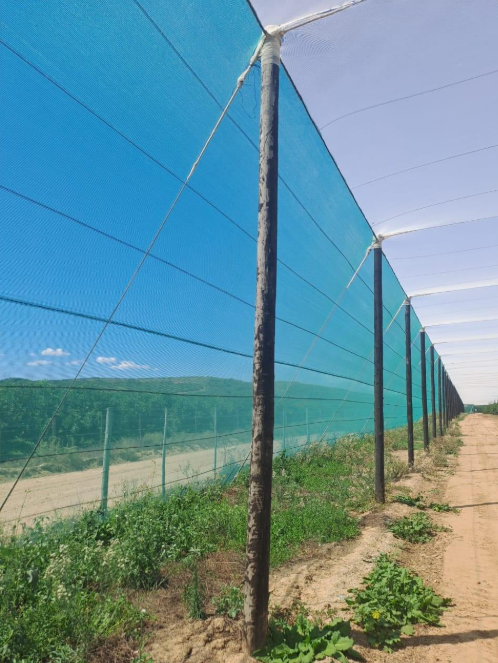
Proper construction and installation of the vineyard trellis are essential components in the establishment and success of a vineyard. The trellis is the main support structure for grape vines in the vineyard; it must be sturdy enough to withstand canopy and wind loads that act on the catch and cordon wires, line posts, and end assemblies. The vineyard trellis, and especially the end post assembly, must be properly constructed to support canopy and wind loads. The mechanics of the end post assembly involve simple physics. Cordon and catch wires support the grape vines. The end post assemblies at the end of each row anchor these wires. The weight from the vines and fruit exerts a downward force (tension) on the wires. Tension from the trellis wires transfers to the end posts. This force, along with resistance between the end post and the soil, keeps the post in place and prevents the trellis wires from sagging. Improperly installed end posts can bend and/or pull through the soil, causing the trellis wires to sag.
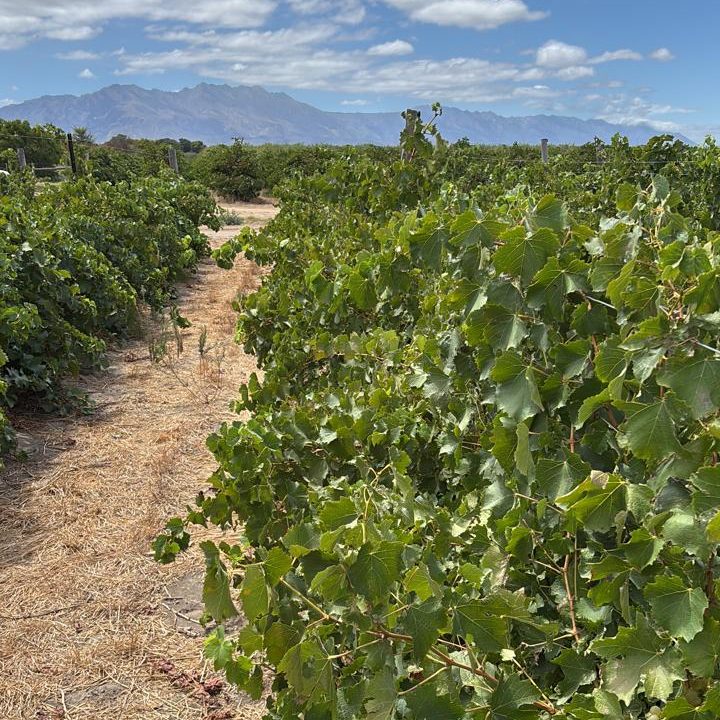
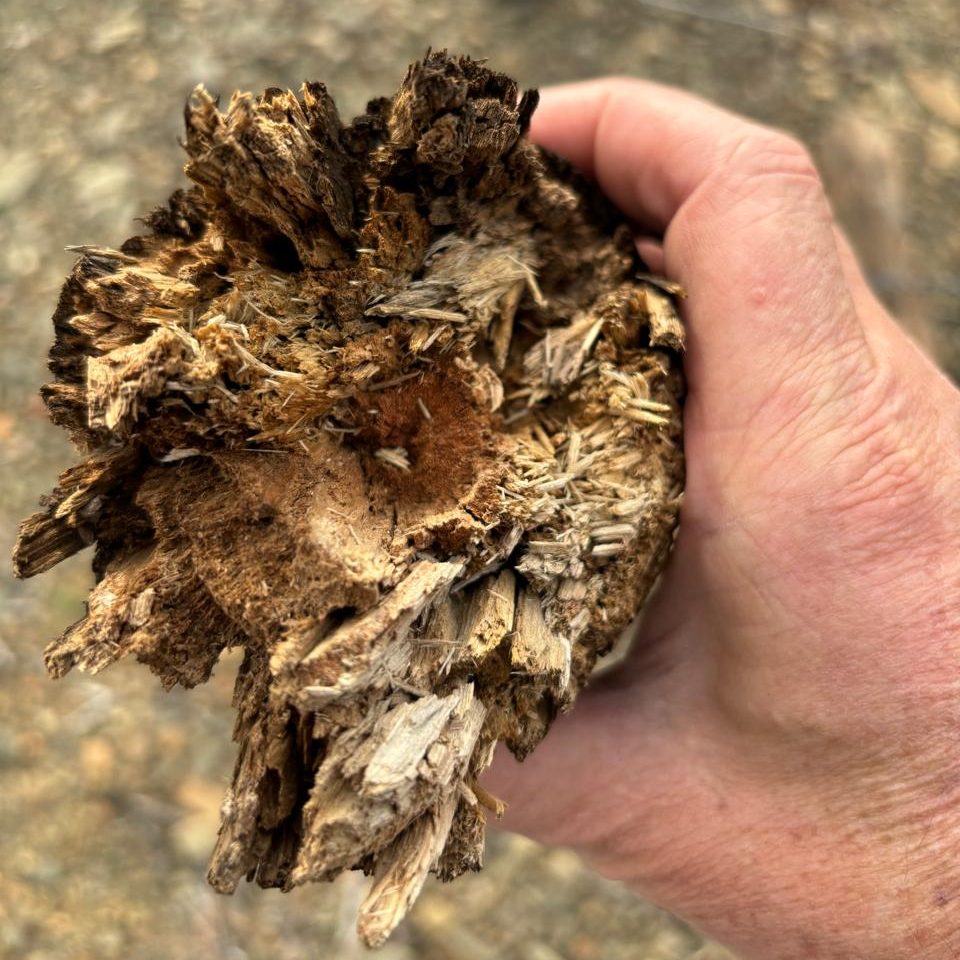
Reasons for farmers using mechanical harvesting.
Mechanical harvesting of vineyards is a common practice aimed at improving efficiency and reducing labour costs compared to traditional hand harvesting.
Research on the costs and benefits of mechanical harvesting on vineyards:
1. Efficiency and Cost-Effectiveness:
- Mechanical harvesters can cover large areas more quickly than manual pickers.
- Reduces labour costs, which is particularly advantageous in regions with high labour expenses or labour shortages.
2. Impact on Grapes and Vines:
- Mechanical harvesters can ensure a more uniform picking of grapes, which can lead to more consistent grape characteristics and quality across the batch.
3. Timeliness and Flexibility:
- Mechanical harvesting allows for precise timing of harvest, which can optimize grape ripeness.
4. Effects on Biodiversity:
- It may impact the vineyard ecosystem differently compared to hand-harvesting, though this varies by region and machine types.
Effect on Wooden Poles:
1. Stress on Trellising Systems:
- Mechanical harvesters exert significant force on the trellising systems. The vibrations and lateral forces can lead to increased stress on wooden poles.
- Poles near the harvester’s path are particularly susceptible to stress and damage.
2. Wear and Tear:
- Over time, repeated exposure to the mechanical forces during harvest can weaken wooden poles, potentially leading to increased maintenance needs or replacements.
3. Breakages:
- Wooden poles may break if they are not strong enough to withstand the forces exerted by the mechanical harvester.
- Older or improperly treated wooden poles are more susceptible to breakage. Wood type, treatment, and age are critical factors in the longevity and strength of the poles.
4. Inspection and Maintenance:
- Regular inspection and maintenance of the trellising system become crucial to ensure integrity and performance.
- Reinforcing, replacing, or converting to stronger materials like metal or treated wood may be necessary in some scenarios.
Considerations for Vineyard Managers:
1. Material Selection:
- Consider using treated wood or alternative materials such as steel or fiberglass for increased durability.
2. System Design:
- Design trellis systems to accommodate the specific mechanical harvester being used to minimize damage.
3. Regular Monitoring:
- Implement a program for regular monitoring and repair of trellis systems to identify and address issues promptly.
Balancing costs and benefits:
Weigh the cost savings and efficiency gains from mechanical harvesting against the potential expenses related to increased wear and necessary replacements or reinforcements of trellising materials.
By understanding and addressing these factors, vineyard managers can better prepare for the impacts of mechanical harvesting and enhance the sustainability and productivity of their vineyards.
Case studies vineyard poles
Here are a few case studies and examples related to the use of wood and steel vineyard poles, focusing on their materials, treatments, and sustainability aspects:
1. Case Study: Use of Treated Wood in Vineyards in Australia
Location: South Australia
Overview: In this case study, vineyard owners used treated wooden poles for vine support. They initially used CCA-treated poles but transitioned to alternatives due to environmental regulations.
Outcome: The vineyard owners experimented with various alternatives, including glued laminated timber (glulam) and naturally durable species like cypress and black locust. They found that while the other options had varying lifespans and costs, they were more environmentally friendly and better aligned with market demand for sustainable practices.
2. Case Study: Creosote vs. Alternative Treatments in California Vineyards
Location: California, USA
Overview: A vineyard owner compared the performance of creosote-treated poles against alternative treatments such as copper azole and borate. The study monitored the poles’ longevity, resistance to pests, and overall cost-effectiveness.
Outcome: The creosote-treated poles lasted longer and showed better resistance to decay and pests than copper azole-treated poles, which failed prematurely under certain soil conditions. This case highlighted the challenges of transitioning to alternatives without compromising the structural integrity of vineyard setups.
Case Study: Implementation of Steel Poles in Vineyard Management
Background: Vineyard A is a 250-acre estate vineyard located in Napa Valley, California. Traditionally, the vineyard used wooden stakes to support its grapevines. However, over time, they faced numerous challenges, including wood rot, pest infestations, and frequent replacements. Due to these issues and to pursue sustainable practices, Vineyard A decided to transition to steel poles for vine support in its grape-growing operations.
The primary goals of this implementation were to:
1. Improve the longevity and durability of vine supports.
2. Reduce long-term maintenance costs.
3. Enhance the overall quality of grape production through better vine management.
Selection of Steel Poles: Vineyard A opted for galvanized steel poles, which are resistant to corrosion and have a much longer lifespan than traditional wooden stakes. They chose poles that were 2.4m in height and 100mm in diameter, suitable for supporting the weight of grapevines as they grow.
2. Installation Process:
The installation involved the removal of old wooden stakes and the application of new planting methods that would integrate the steel poles.
The steel poles were placed strategically at 2.4m intervals along the rows of grapevines.
A tensioning system was added, allowing for flexibility in vine training and improving the overall structure.
Challenges: Initial costs for purchasing and installing steel poles were higher than traditional wooden options. – Training staff to transition to the new system required time and investment.
Some resistance to change from employees who were accustomed to the wooden system.
Recommendations: Future vineyards looking to implement similar changes should:
1. Conduct a cost-benefit analysis prior to transitioning to understand potential long-term savings.
2. Train staff adequately to ensure smooth integration of new systems.
3. Monitor and evaluate the impact of the transition on both grape quality and vineyard operations for future adjustments.
Vineyard wooden post strength and durability (Research USA)
In the United States, wooden vineyard poles, such as those made from red pine, are typically assessed for strength based on their load-bearing capacity and flexibility. The strength of wood can be expressed in various units depending on the context, including megapascals (MPa) for measuring compressive and tensile strength.
For red pine (also known as Pinus resinosa), the mechanical properties are generally as follows:
Compressive Strength Parallel to Grain: Approximately 40-50 MPa
Modulus of Elasticity: Around 10,000-13,000 MPa
Bending Strength (Modulus of Rupture): Around 70-90 MPa
These values are typical and can vary based on specific factors such as the wood’s moisture content, age, growth conditions, and treatment. For vineyard poles, other considerations include decay resistance and treatment methods, such as pressure treatment, to enhance durability. When choosing vineyard poles, factors like local weather conditions, soil type, and the specific demands of your vineyard infrastructure should also be considered.
The strength of a post is proportional to its cross-sectional area. For example, the cross-sectional areas of 60mm top and 70mm top diameter posts are only 39% and 56% of 100mm top diameter posts, and their measured lateral strengths are only 25% and 42% of a 100mm post, respectively (Table 1). The ratio of a post’s surface area to its volume decreases as the diameter of a vineyard post increases.
Because the surface area of a post determines its rate of leaching and weathering of the preservative, as the post diameter decreases, the rate of post decay increases. Therefore, both the initial strength of a post and its life expectancy increase dramatically with increasing diameter. The cost of posts is often also directly related to their cross-sectional area (Table 1). The USA mainly uses a 90mm minimum diameter post. This is often provided with a 20-year service guarantee. Therefore, many growers elect to install this size post for line posts. A 100mm diameter post with a lateral breaking force of 4315 N. (Table 1) will be adequate for line posts when they are new and if they are anchored so that tension on load-bearing wires is transferred to the anchor. However, if 100mm posts decay or anchoring is inadequate, lateral forces in excess of 4315 N are likely to cause post failure. Therefore, growers often choose posts with diameters somewhat greater than 100mm for end posts. For example, posts with 125mm or 150mm diameters will have lateral breaking strengths that are twice or three times those of a 100mm-diameter post, respectively (Table 1).
Table 1. The cross-sectional area, lateral breaking force, and percentages of those values as compared to a 100mm diameter post for pressure-treated pine poles in six diameter classes.
| Post Diameter | Cost | Cross Sectional Area | Lateral Breaking Force | ||
| (mm) | % of 100mm | (Square mm) | (% of 100mm) | kN | % of 100mm |
| 60 | 45 | 3167 | 39 | 1.058 | 25 |
| 75 | 59 | 4561 | 56 | 1.815 | 42 |
| 90 | 76 | 5472 | 77 | – | – |
| 100 | 100 | 6206 | 100 | 4.315 | 100 |
| 125 | 139 | 8109 | 156 | 8.420 | 195 |
| 150 | 150 | 12670 | 225 | 14.537 | 337 |
Vineyard design for mechanical harvesting
There are two basic harvester designs: the trunk shaker and the vine shaker. The trunk-shaker harvester has rails that grab the vine’s trunk below the head and shake the entire vine. The amplitude of the oscillation of the trunk is magnified in the upper part of the canopy. Thus, the width of the trellis at its widest point must be much smaller than the clearance of the harvester, due to the movement of the vine back and forth as it travels through the machine. The amount of additional clearance needed depends on the height of the shaker bar on the vine and the height of the trellis above that point. However, about 20 to 25 percent clearance is needed to avoid causing damage to the trellis and to the harvester’s picking head.
One advantage of machine harvesting is the ability to pick fruit at night, which is difficult (though not impossible) to do by hand. Because of the high heat capacity of the fruit, night-picked fruit will remain cool while awaiting transport and during transport to the winery. Other advantages include that most of the stems are left in the vineyard and that fruit can be picked when desired, rather than waiting for a hand crew to become available.
Effect of decay on the strength of wood
Decay initially affects toughness, or the ability of wood to withstand impacts. This is generally followed by reductions in strength values related to static bending. Eventually, all strength properties are seriously reduced. Strength losses during the early stages of decay can be considerable, depending to a great extent on the fungi involved and to a lesser extent on the type of wood undergoing the decay.
In laboratory tests, the losses in toughness ranged from 6% to more than 50% by the time that a 1% weight loss had occurred in the wood as a result of fungal attack. Further, the weight loss of wood in the range of 5–10% equates to a reduction of the mechanical properties in the range of 20–80%. At weight losses of 10% or less, the decay is detectable only microscopically. A wood that shows visible signs of decay most likely has greatly reduced strength values. There is no method known to estimate the amount of strength loss from just visually inspecting the decayed wood.
Of the three main components of wood, that is, cellulose, hemicelluloses, and lignin, the initial losses in strength from early brown-rot decay are the result of the attack on the hemicelluloses and then the cellulose. At low weight losses in the decayed wood, there can be significant reductions in the degree of polymerization of the holocellulose (the total polysaccharide fraction of the wood); for example, at only 10% weight loss of sweetgum decayed by a brown-rot fungus, the degree of polymerization of the holocellulose dropped from 1500 to 300.
The wood’s mechanical properties decrease when the side chains of the hemicelluloses (such as arabinose and galactose) are degraded enzymatically by chemical reactions, including hydrolysis, dehydration, and oxidation. The initial strength loss of 5–20% is related to the initial degradation of the hemicelluloses, followed by the degradation of the main-chain backbones of the hemicelluloses. After 40–60% strength reduction, the glucose and lignin are degraded. This helps explain the shortcomings of using mass loss to detect the early stages of decay
Creosote and CCA treated poles often rot at the ground line due to a combination of factors including moisture, oxygen, fungi, and a reduction in preservative protection at that point, where above and below-ground conditions meet.
Here’s a more detailed explanation:
- Moisture and Decay: The ground line area is particularly vulnerable because it’s where the pole is in contact with the soil, which is often moist, creating an ideal environment for wood-decaying fungi and organisms.
- Oxygen: The soil also provides oxygen, which is essential for the growth of these fungi and organisms.
- Fungi and Organisms: Wood-decaying fungi and organisms thrive in these conditions, breaking down the wood and causing decay.
- Preservative Protection: While creosote is an effective wood preservative, its effectiveness can diminish over time, especially at the ground line, where the preservative can leach out or become less effective due to exposure to moisture and other factors.
- Wicking Effect: The pole acts like a wick, drawing moisture from the soil up into the wood, particularly at the ground line, which further exacerbates the decay process.
- Core Rot: Even if the outer layer of the pole is protected, moisture can travel through cracks in the wood to the core, leading to core rot, where the inner part of the pole decays.
- Termites: Termites can also contribute to the decay of wood poles, especially in areas where they are prevalent.
Design and maintenance of vineyards.
The design and maintenance of a vineyard trellis system is vital to avoid early pole failures.
The following is an extract from article on the requirements of vineyard:
Stout, high-quality trellises that can withstand strains associated with significant crop loads and occasional equipment impact are needed in a mechanized vineyard. Trellis wires must be kept taut and not allowed to sag between line posts or vine stakes to maintain consistent working heights for equipment Sag can be avoided by using adequate end assemblies that won’t shift over time.
Strength requirements of wooden vineyard poles.
Vineyard pole trellising is a critical consideration when establishing a vineyard, as it’s one of the largest initial investments. There are commonly encountered issues and failures that should be addressed to ensure the durability and efficiency of the vineyard trellis system. Here’s a detailed look at some key aspects, along with potential solutions or considerations:
Key Issues in Vineyard Trellising:
1. Post strength and durability
The strength of a post is proportional to its cross-sectional area.
For example, the cross section of a 50mm diameter pole is only 39% of a 100mm pole.
A 75mm diameter are only 56% of a 100mm pole and the measured lateral strengths of the 50mm pole are only 25% and the 75mm pole are only 42% of a 100mm top pole. The ratio of a posts surface area to its volume decreases as the diameter of the vineyard pole increases.
Durability.
Because the surface area of a pole determines its rate of leaching and weathering of the preservative, as a pole diameter decreases, the rate of post decay increases.
Therefore, both the initial strength of a pole and its life expectancy increases with increased diameter.
1. Durability and Cost Efficiency: Many trellises are not assessed on their long-term durability. Instead, initial costs per hectare are emphasized. A better measure is the cost per year of service, ensuring a durable installation from the start.
2. Mechanization Needs: With increased mechanization in vineyard tasks, trellises must allow for precise vine management. Issues like straight lines, sagging wires and crooked trunks can impede mechanical operations.
3. Post Material Choice: The durability and strength of trellis posts are crucial. The choice of post material, be it metal or wood, can greatly influence the life and efficiency of the trellis system.
Considerations for Trellis Pole Choices:
1. Metal Posts:
Pros: Metal posts are easy to handle and install and can be cost-effective in the short term.
Cons: They often lack the lateral strength needed for large vines and heavy crops. Complex trellis designs may also be difficult to implement with metal posts. In South Africa metal poles are more expensive than wooden poles.
2. Wooden Poles:
Strength depends significantly on pole diameter. Larger diameters mean stronger poles and longer life expectancy since they hold more preservative and withstand the elements better.
Cost increases with diameter and the type/amount of preservative used, making it vital to balance cost with the expected lifespan and strength.
Enhancing post longevity:
Preservation Techniques:
Proper preservation can significantly extend the life of wooden posts. Factors like the type of preservative, the amount used, and retention methods impact durability.
Treated timber poles should be chosen based on site-specific conditions and decay hazards.
Installation Considerations:
Post planting methods:
Hydraulic Post Pounder: Efficient if the soil is moist enough to allow for firm placement without excessive compaction.
Auger: Useful when precise post placement is critical, and soil conditions allow for it.
Back actor: Versatile for different soil types but might need experienced handling to ensure precise alignment.
Summary and Recommendations:
To mitigate failures and enhance the longevity of vineyard trellis systems, the following recommendations are advised:
- Always calculate costs on a per-year basis rather than per hectare to account for longevity and replacement costs.
- Consider the advantages and limitations of each post type in the context of the specific vineyard environment and mechanization processes.
- Utilize larger diameter wooden poles for greater strength and durability, with appropriate preservatives tailored to your site’s conditions.
- Ensure rows are kept straight and taught to avoid operational issues.
- With thoughtful planning and an emphasis on long-term serviceability, a durable and efficient vineyard trellis system can be established, maximizing both the health of the vineyard and the return on investment.
Summary of inspections in Western Cape.
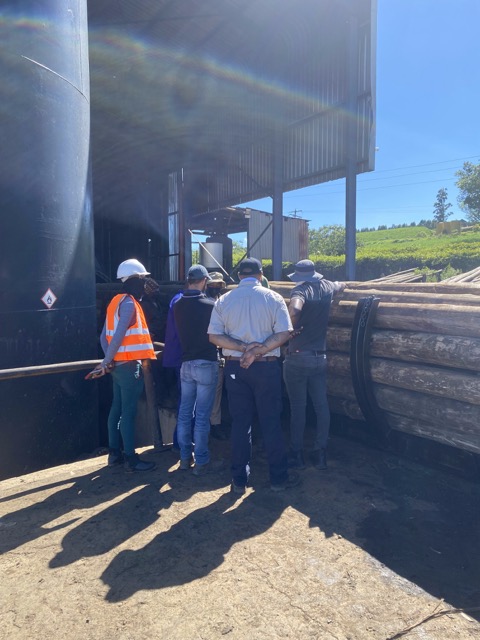
Over the last 12 years SAUPA have carried out inspections on pole failures in the Western Cape. The inspections where carried out on the behalf of TWK, R&B Group, Vuka and TTP. The intention of the investigation was to determine the extent of pole failures in the area and to try determine possible reasons for the pole failures.
The investigation was completed in the Robertson, Worcester, Wellington, Malmesbury and Vredendal areas. All the farmers were vineyards and at the majority of the farms mechanical harvesting was carried out on the farms.
According to Vinpro more than 85% of the vineyards in these areas use mechanical harvesting. The lower year-on-year increase in labour costs can be attributed to the increase in the degree of mechanical harvesting done in the area.
There are a few of concern that need to be addressed in order to reduce the pole failures and keep the end users happy.
Areas of concern and possible reasons.
The following issues have been identified
- The pole failure rate of the 50-75mm diameter material is higher than the 75-100mm diameter material. Although the 50-75mm diameter poles failure rate is higher the farmers still have the impression that the overall costs for installation and maintenance is still lower that the 75-100mm poles.
- Pine poles are also breaking. The percentage of pole failure of pine poles still need to be determined. An area of concern is the breaking of pine poles higher up the pole around knot clusters.
- The failure rate of CCA pine poles is higher than the creosote pine poles.
- The design of the trellis system has an effect on the percentage of pole breakages.
- The effect on the planting methods also need to be investigated.
- The different types of soils also seem to have an effect on the number of pole failures.
- Farmers are still using 50-75mm diameter poles on trellis systems that produce up to 40 tons per hectare. (Sometimes even more)
SANS Standard requirements.
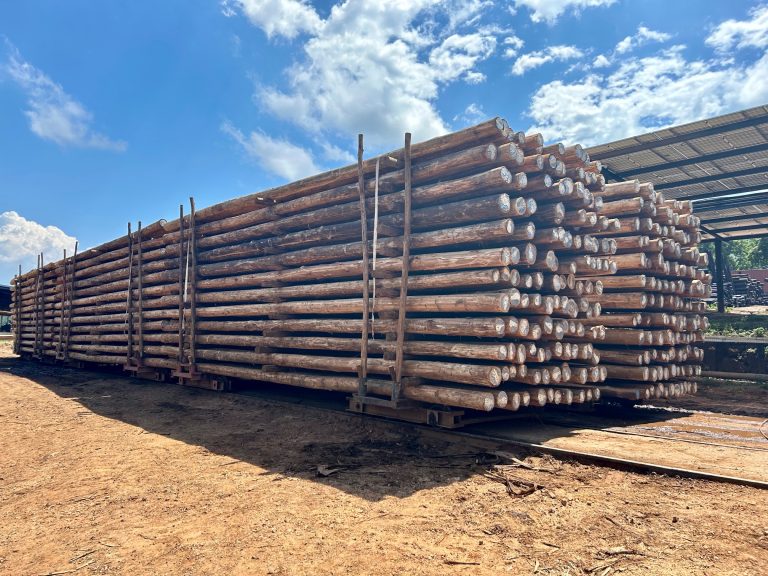
Treatment: Vineyard poles can be either H4 or H5 material.
Diameter: A minimum diameter of 60mm is recommended in SANS 457-2 (Clause 3.3 SANS 457-2)
Strength: Poles need a minimum strength of 34 MPa. (Clause 4.2 of SANS 457-2)
SAUPA have looked at literature and are currently also doing tests at treatment plants to possible identify areas that can possibly identify reasons for the pole failures in vineyards due to rot. It is important the poles have the required strength and treatment retentions to last the required 20 years.
It must be remembered that the SANS standards have an acceptable quality level (AQL) of a 4% failure due to the nature of the product.
Additional issues that need to be addressed.
- Juvenile timber: Generally due to the size of the timber these poles come from the thinning’s of young plantations or the tops of the tree. Juvenile timber can have an issue with regard to strength.
- Mechanical damage: Some of the poles that had failed broke on the groundline. There is an indication that the mechanical harvesting could have broken the poles while mechanical harvesting. Poles that rot below the groundline tend to break 150mm below the groundline, but certain poles showed breaks on the groundline, indicating a lack of strength on groundline.
- Density of timber: The density of a pole will have an effect on strength. The SANS standard has no reference to density.
- High sapwood percentage: The sample taken for the density tests were also used to measure the average sapwood. The high sapwood ratio reduces the sapwood retention in the critical area around the pole.
Reason for pole rot.
Over the years SAUPA has looked at the reasons for pole failures due to rot. All poles will slowly deteriorate which will have an effect on the strength of the poles.
There is a number of reasons why poles will rot and break.
- Quality of preservative. (Kaap Agri question the quality of creosote from 2017 to 2021)
- Hazard class: The wooden pole industry has identified that higher retentions are required in vineyards due to the continuous wet conditions that the poles are subject to. Most farmers are now purchasing H5 poles but there are still farmers who are using H4 poles. The H5 retention requirements of creosote and CCA also need to be adjusted to the different sapwood percentages.
- Effect of soil type and irrigation on pole failures: The areas with more sand than the clay and stones areas clearly show more signs of rot. Decay occurs when the retention of the preservative drops below the threshold that will keep any fungus or insect attack. This threshold will depend on the conditions in which the pole is planted.
- Area: Some areas of South Africa are much less conducive to the progression of rot than others. Generally, what determines if a region is more or less hazardous to wood pole decay is its climate. Numerous factors, including average temperature, soil acidity, etc., determine the level of decay hazard in a region, but by far the most important factor is humidity and moisture. Very dry desert areas, whether warm or cold, and regardless of soil type, are more likely to be low-hazard zones, whereas humid areas and those with a good deal of rainfall are more likely to be in a higher-hazard zone, especially those that are both wet and hot.
- Drip irrigation on poles: Certain farms have spray or drip irrigation right next to the poles. This can be avoided, thereby increasing the lifespan of the poles.
- Checking on the top of the poles: Poles have checked on the top of the poles, possibly due to the planting method and the wire and nails inserted at the top of the pole. The industry needs to look into the method of planting and wiring as the checks at the top of the pole can affect the lifespan of the pole.
SAUPA case study: Western Cape 2025.
A case studies was done in 2025 before and after harvesting season at a farm in the Robertson area.
The poles were originally planted in 2022 (2,1m 50-75mm).
All poles were treated to H5 requirements
The first inspection was done after the first harvest in 2024. (February 2025 before the second harvest)
Results of inspection of broken and replaced poles.
The farm had already replaced 157 poles before the second season had started. All the poles that had been removed were available for inspection.
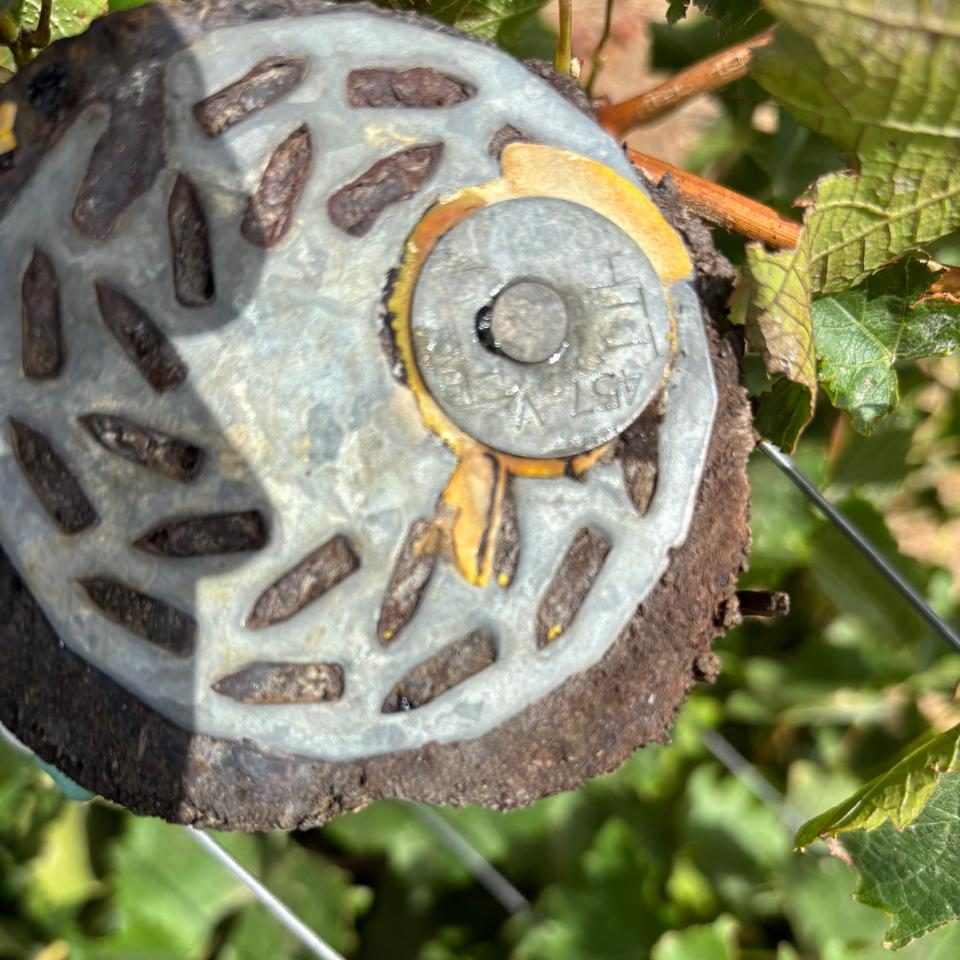
The majority (approximately 80%) of the replaced poles had no nail-plate on indicating a diameter of 50mm to 60mm.
The replaced poles all failed due to rot on the groundline.
Result of tests on standing poles.
An inspection was done on 4 full rows to determine if the poles still standing had developed rot.
4 poles out of 108 failed due to softwood rot.
Based on the count there are 2704 poles in the block.
The full inspection indicates a failure rate of the following:
- Poles already replaced 157 poles.
- Total failure rate of 5.8% after first harvest.
A second inspection was completed on the block after the second harvest in March 2025.
Method to determine the percentage of poles that had developed shell and heartwood rot in the second inspection after the 2025 harvest. March 2025
The method described involves inspecting a vineyard pole for two types of rot: shell rot and heartwood rot. Here’s a clearer breakdown of the procedure:
1. Shell Rot Detection:
Expose the Pole: Remove sand or soil from around the pole to a depth of approximately 150mm below the groundline. Inspect for Shell Rot: Use a sharp steel tool to scrape the outer surface of the exposed section of the pole. Look for signs of shell rot, which may include soft, decayed wood, discoloration, or other indications of deterioration on the surface layer of the pole.
2. Heartwood Rot Detection:
Drilling: Using a drill, make a 12mm diameter hole at a 45-degree angle into the pole starting from the groundline. The hole should reach toward the centre of the pole, taking care to penetrate near the heartwood.
Inspect Shavings: Collect and inspect the wood shavings produced by the drilling process. Healthy wood shavings are typically solid and consistent in colour, while shavings from rotted wood may appear darker, crumbly, and may have an unpleasant odour.
Boron Rod Insertion: After inspection, to help prevent or stop further decay, insert a boron rod into the hole. Boron is a wood preservative that helps protect against rot and infestation.
Seal the Hole: Plug the drilled hole with a suitable plastic plug to protect against moisture ingress and environmental exposure.
By following this procedure, the structural integrity of the utility pole can be assessed in terms of rot presence in both its shell and heartwood.
Method to determine the percentage of poles that had failed due to strength requirements.
An inspection was conducted across different rows throughout the block to determine the percentage of poles that had broken due to mechanical damage or rot.
- Visual Inspection: Initially, a visual inspection is typically performed to identify obvious signs of rot, cracks, or other damage that could compromise the pole’s strength.
- Applying Force: The test involves using a controlled amount of force on the top of each pole.
- Listening for Signs of Weakness: When applying force, listen for any cracking or splitting sounds, which may indicate the pole is compromised.
- Observing Movement: Observe the amount of movement or flex in each pole. Excessive movement may suggest that the pole has developed a cross-fracture and is too weak to withstand effective vineyard loads.
Results of inspection after second year of harvesting.
| Sampled Poles | |
| Poles counted | 2704 |
| Failures | 255 |
| Broken poles | 168 |
| Rotten poles | 87 |
| Total percentage failure | 9.4% |
| Percentage of failures broken | 65% |
| Percentage of failures rotten | 35% |
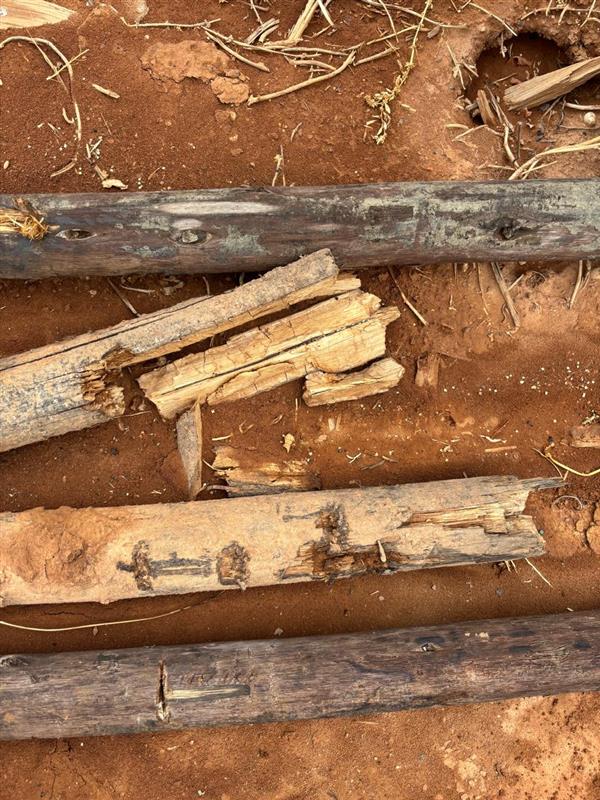
| Example of poles broken due to mechanical harvesting. | |
| Poles rotten below groundline. Shell rot and heartwood rot. | |
Summary of 50mm-75mm vineyard poles.
Year 1 of harvesting: 5.8% failure.
Year 2 of harvesting: 9.4% failure.
SAUPA inspection of pole failures with 75mm-100mm top diameter.
Two similar inspections were carried out in the Vredendal area on 75mm -100mm vineyard poles.
| Area | Year planted | Size poles | Percentage failure |
| Vredendal | 2021 | 2.1m 75-100mm | 2.8% |
| Vredendal | 2021 | 2.1m 75-100mm | 1.8% |
Summary.
Creosote-treated poles remain a viable and sustainable option for vineyard use. By selecting the appropriate diameter based on design specifications and ensuring the poles are treated to the correct sapwood retention levels, these wooden poles can be favoured over steel and concrete due to their accessibility and cost-effectiveness. It is crucial for the industry to collaborate and establish guidelines for appropriate pole sizes and treatment methods to maximize effectiveness and sustainability.