
Report compiled by Pierre Tullis:
Request for inspection:
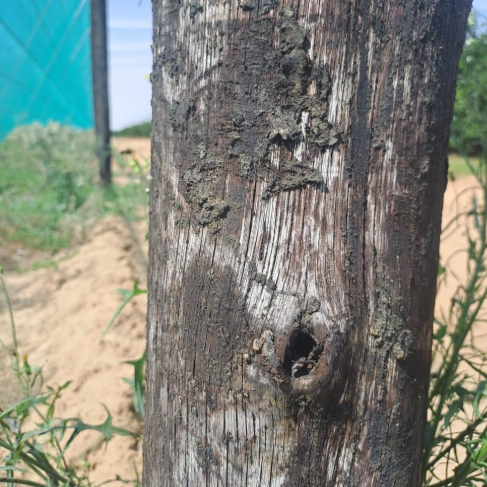
South African Utility Pole Association (SAUPA) have been requested on a number of occasions to inspect creosote treated poles due to colour of the pole and excess creosote around the pole. SAUPA has been requested to determine if the creosote had been washed away from the poles and if the pole was treated correctly. The general inquiry is if any remedial treatment would be necessary on the poles that had turned “white”.
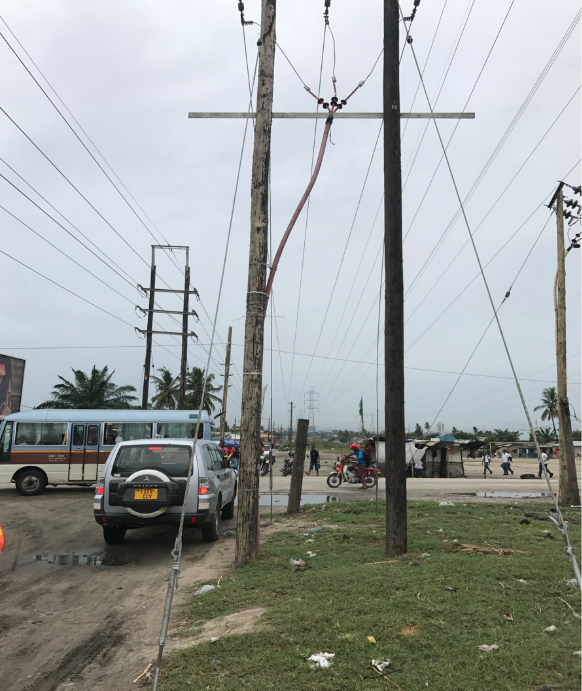
A common reason for an inspection request in such a scenario is to determine the cause of the colour discrepancy and potential degradation in utility poles. It is acceptable that end-users query the condition of the pole.
Weathering and bleaching of creosote poles.
In the introduction to SANS 754: 2007 the following is stated.
“Creosote used for treating timber vary in colour, the blackness of creosote is no indication of its quality. Some very good wood preserving creosotes do not blacken wood at all or do so only very slightly” pg. 1 SANS 754: 2007. Unfortunately, from the 2013 version of SANS 754, the statement has been removed
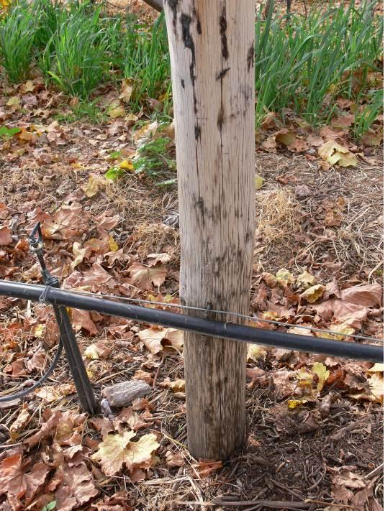
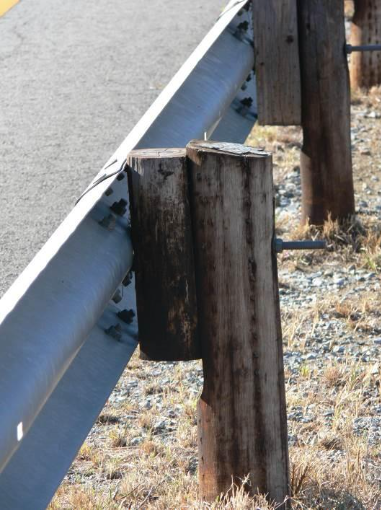
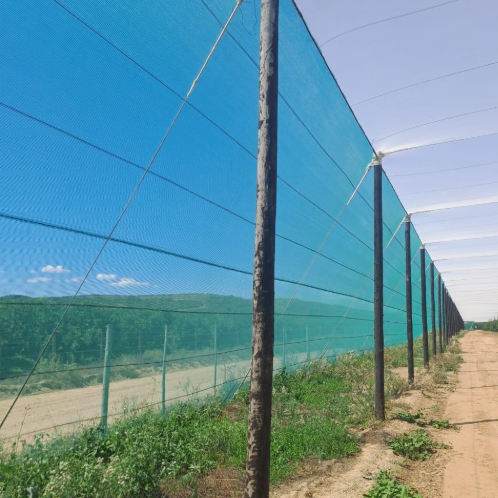
SAUPA have had to satisfy a number of customer queries on the colour of creosote poles after a few years in use. The bleaching of the pole can be immediate or gradual. In either case the bleaching can’t be avoided. The bleaching and leaching of creosote poles are clearly accelerated by the influence of direct sun, wind and water. The creosote on the outside of the pole evaporates/leaches or washes slowly but the creosote on the inside remains in the pole.
SAUPA have identified the same bleaching of poles in transmission poles in Southern Africa and specifically in areas near the coast. A number of customers’ inquiries have been sent to SAUPA with regards the colour of droppers and fencing poles in the Eastern Cape.
Residue in creosote.
In coal tar creosote-treated utility poles, the substance left on the outside of the pole over time is known as creosote exudate or “bleeding.” This residue can appear on the surface, especially under certain environmental conditions.
Coal tar creosote is a complex mixture of hundreds of compounds, primarily consisting of polycyclic aromatic hydrocarbons (PAHs), phenols, and cresols. When creosote poles or other wooden structures are treated with creosote, the treatment impregnates the wood, providing preservative benefits by protecting against rot, fungi, and insects.
However, under certain conditions—such as high temperatures, or due to the natural weathering of the wood—the liquid fraction of the creosote can migrate to the surface of the wood. This can result in a sticky or oily residue forming on the outside of the pole. This is more likely to occur in warmer climates or during the summer months.
Creosote residue on the outside of a pole.
Over time, several factors can influence the appearance and accumulation of creosote residue:
- Weather Conditions: Rain, snow, and sunlight can accelerate the breakdown of the creosote, leading to more residue. UV rays can cause the creosote to degrade, while rain can wash away some of the residue.
- Temperature Fluctuations: Changes in temperature can cause the creosote to expand and contract, which may lead to cracking and peeling of the surface layer.
- Biological Growth: Fungi, algae, and other organisms may grow on the surface, contributing to the discolouration and residue buildup.
- Environmental Regulations: In some areas, regulations may dictate how creosote-treated poles are maintained or replaced, impacting the visual aspect over time.
- Maintenance Practices: The handling of poles before planting can help to manage the buildup of creosote residue, although it may not eliminate it entirely.
Literature research on why creosote poles might turn white and the factors involved:
- Efflorescence: Efflorescence is primarily due to water evaporation. When rain or humidity penetrates the wood, it can dissolve soluble salts that are naturally present in the creosote or the surrounding soil. As the water evaporates, these salts are left behind, forming a white, powdery residue.
- Weathering: Over time, exposure to the elements, including rain, sunlight, and wind, can cause creosote to break down. Ultraviolet (UV) rays from the sun can degrade the creosote, altering its colour and appearance. This weathering process can enhance the visibility of any efflorescence or mold.
- Mold and Mildew: In humid conditions, mold and mildew can grow on the surface of creosote poles. These fungi often appear as white or light-coloured patches. While they may not harm the integrity of the pole, they can contribute to the overall appearance.
- Environmental Factors: The specific conditions in which the poles are installed can also play a role. For example, poles placed in shady, damp areas may be more prone to mold growth, while those exposed to direct sunlight may weather more quickly.
- Aging Process: As creosote poles age, their chemical composition can change, potentially leading to discolouration or surface changes. This is a natural part of the aging process for wood treated with creosote.
In summary, the whitening of creosote poles is often due to a combination of environmental factors, chemical processes, and biological growth. Understanding these elements can help in managing and maintaining these structures effectively.
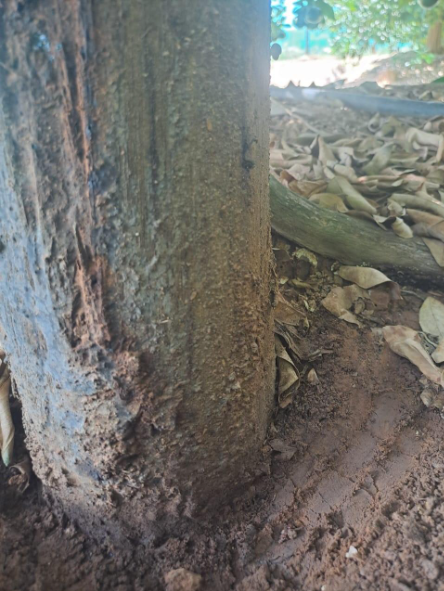
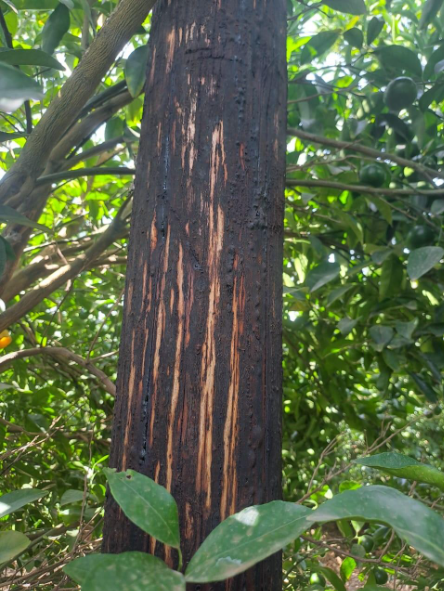
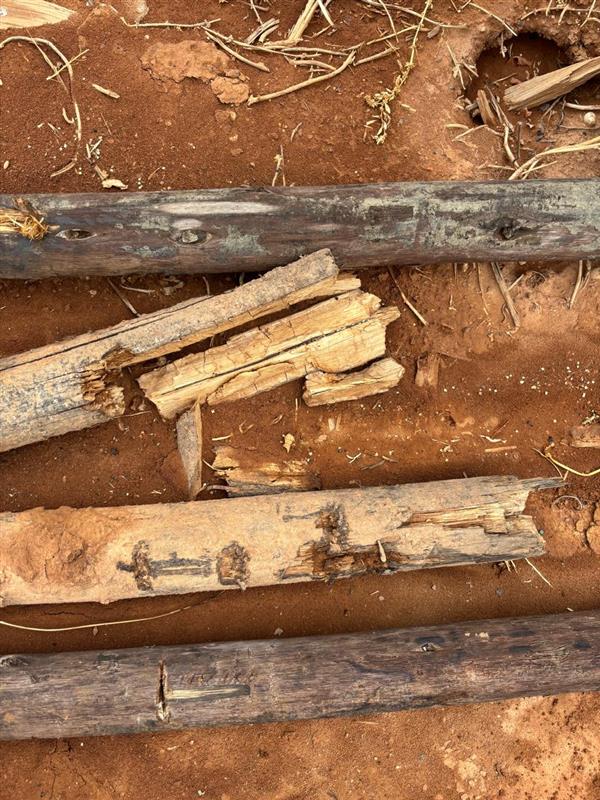
Example of creosote residue on the outside of a pole moving down to the bottom of a pole.
Overall, the presence of creosote residue is a natural consequence of using this type of wood treatment, and its appearance can vary based on environmental and maintenance factors.
Winter poles.
The colour of the pole before treatment has a big effect on the final appearance of the pole’s infield. In South Africa the term “winter poles” has been given to the poles that don’t turn brown before treatment.
Eucalyptus poles when freshly felled differ in colour between white and yellow. When the poles have been exposed to water or rain the poles slowly turn brown. The issue is why does this phenomenon happen when the pole goes through the same pressure treatment process. It is due to the seasons and the different conditions the poles are exposed to prior to treatment. Trees harvested in the dry seasons when precipitation and sap movement is at its lowest, these poles are less prone to surface oxidation while lying in the forest and stockpiles.
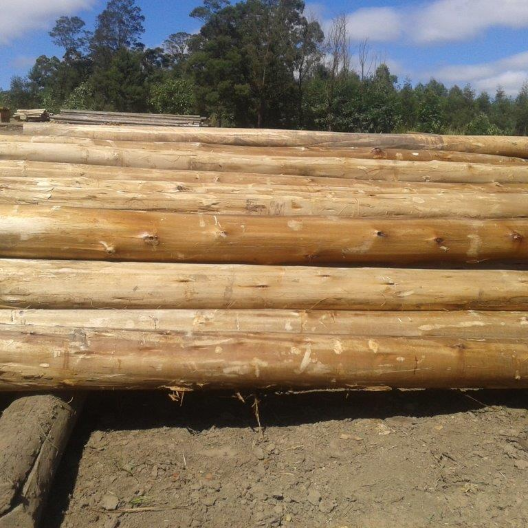
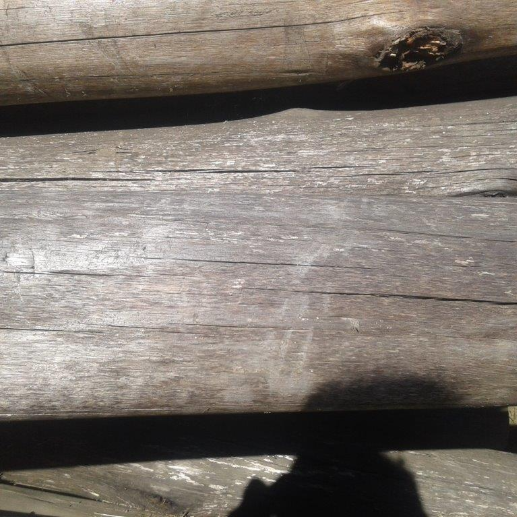
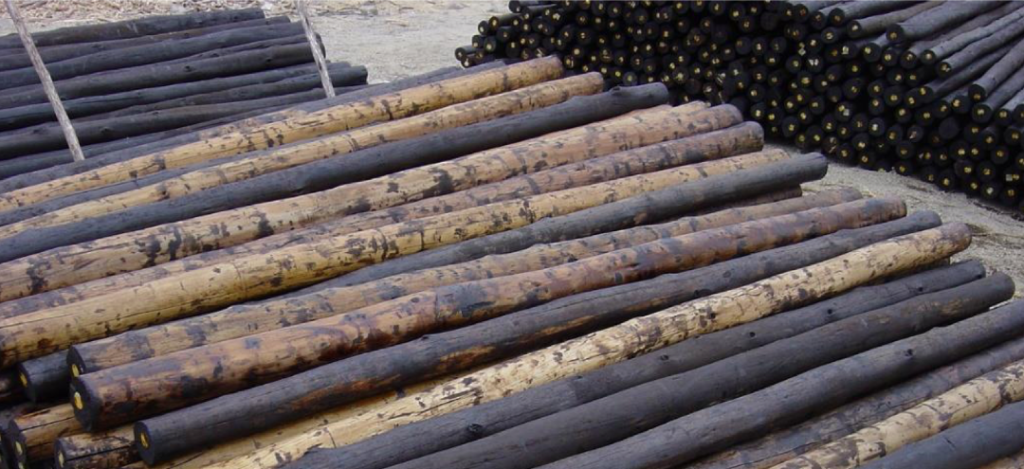
Creosote losses.
Creosote is lost in service by three mechanisms: vaporization, bleeding and leaching. Since certain fractions have relatively high vapor pressure, these should be expected to evaporate relatively rapidly. Some of the components are highly water soluble, and hence, should tend to leach into the surroundings. At the same time, some of the creosote components may physically bleed out of the wood in service, particularly under high temperature exposure. Thus, it is important the original retention requirements take into consideration these losses while in use.
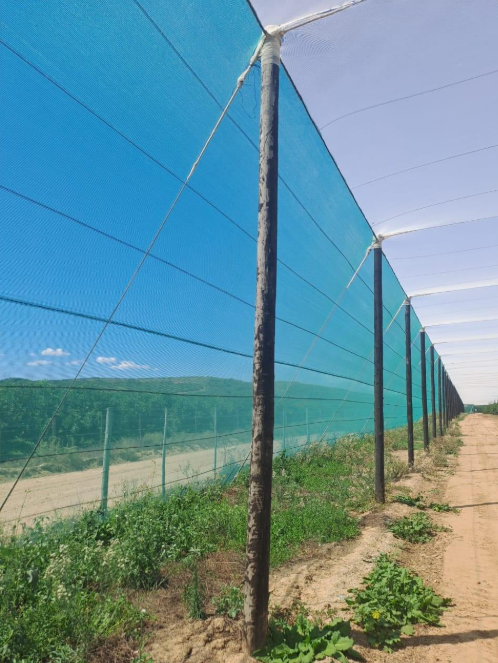
The washing of the creosote due to irrigation or rain on the poles is also clearly evident. (See photos of difference between poles with no irrigation and full irrigation.). Poles in areas that receive high rainfall or spray from irrigation will show more wash than poles with little water.
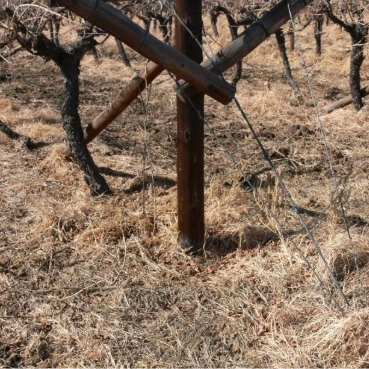
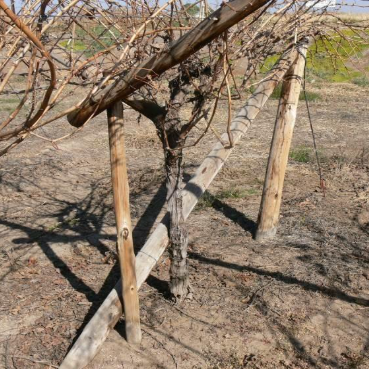
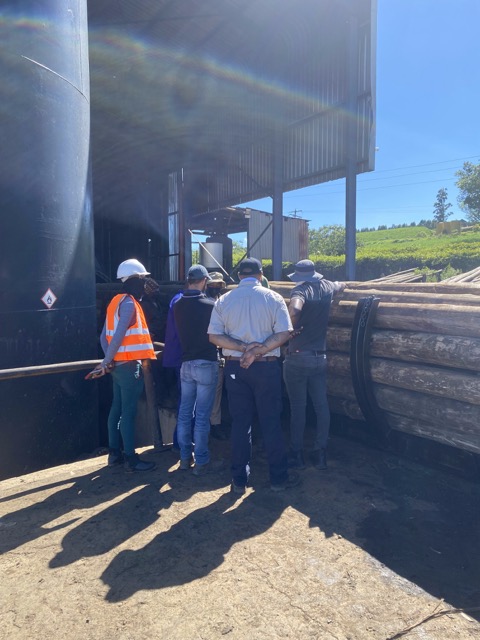
Example of discolouration and creosote residue on the outside of poles at SRC Birchmore.
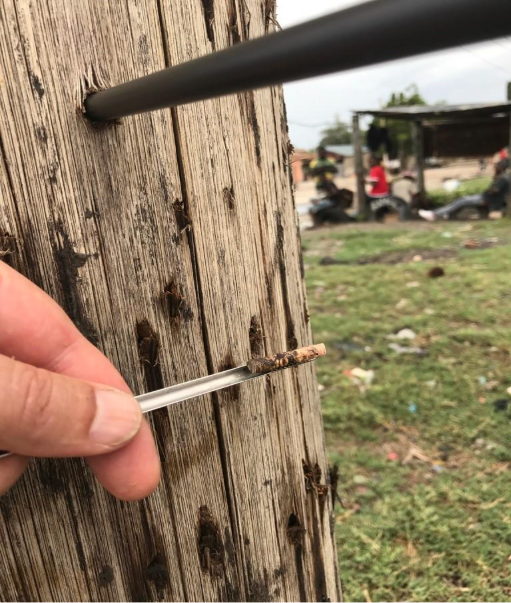
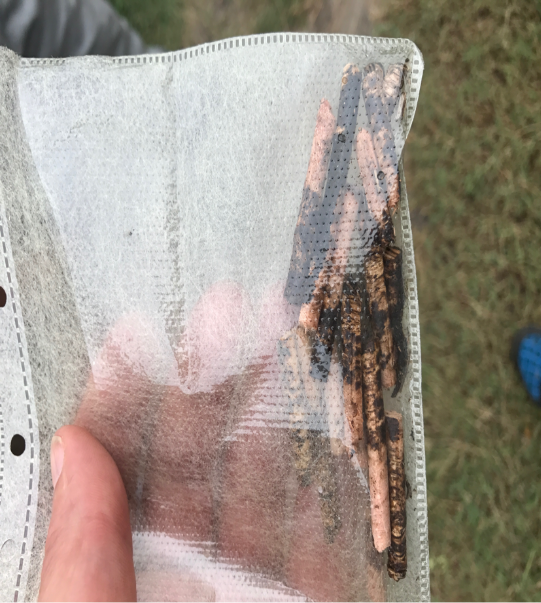
Importance of retention and penetration of pole.
- Efficacy of creosote.
The efficacy of creosote is directly linked to the retention of the creosote inside the pole. It is important that there is sufficient creosote on the ground line of the pole, as this is the critical area of the pole where it will develop any type of shell or heartwood rot. Creosote moves with gravity and the creosote will move down the pole while in use. Thus, the creosote moves to the critical area at the bottom of the pole where the pole is the most susceptible to develop decay.
2. Creosote Retention of poles.
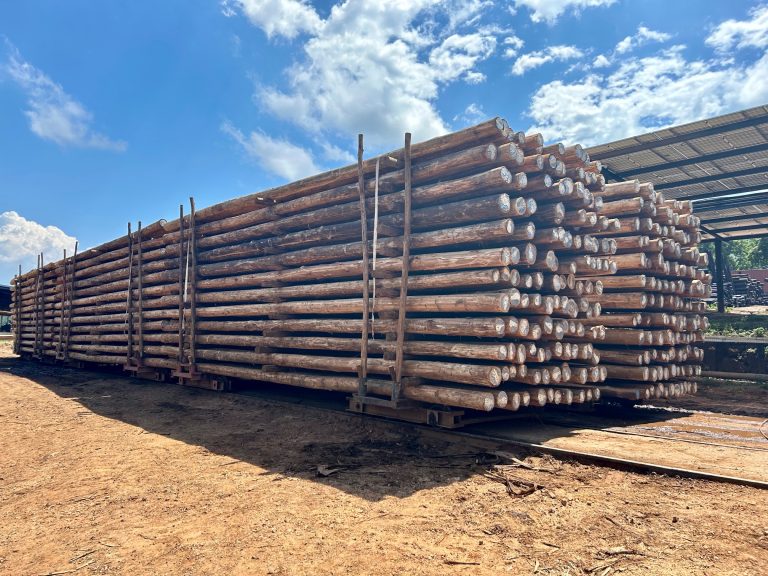
The retention in the poles is determined by the treating plant at the time of treatment. The permit conditions at the plant ensure that every charge is recorded electronically and the measuring system ensures that in every treatment charge the required retentions are achieved. Penetration is measured in every charge in accordance with their SAUPA permit conditions.
SAUPA clients all have the required documents available to prove the treatment process was in accordance with their permit conditions. The SAUPA inspectors have also taken stock monthly to ensure the required retentions are achieved.
Pierre Tullis
Email: pierre@saupa.co.za