
Author: admin
-
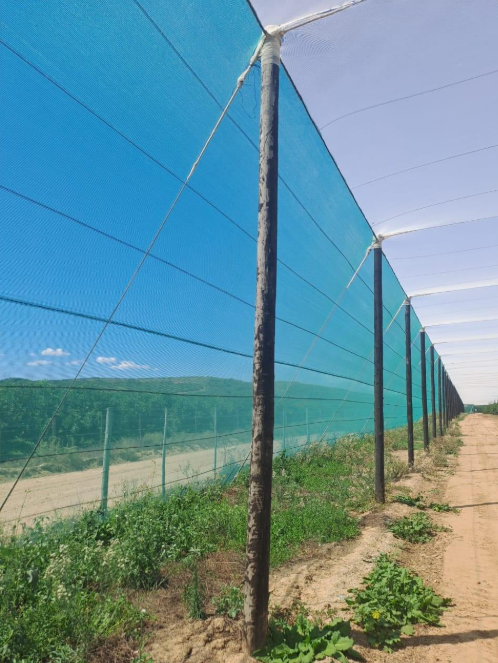
REPORT ON CREOSOTE POLES TURNING WHITE OVER TIME AND “WINTER POLES”
Report compiled by Pierre Tullis: Request for inspection: South African Utility Pole Association (SAUPA) have been requested on a number of occasions to inspect creosote treated poles due to colour of the pole and excess creosote around the pole. SAUPA has been requested to determine if the creosote had been washed away from the poles…
-
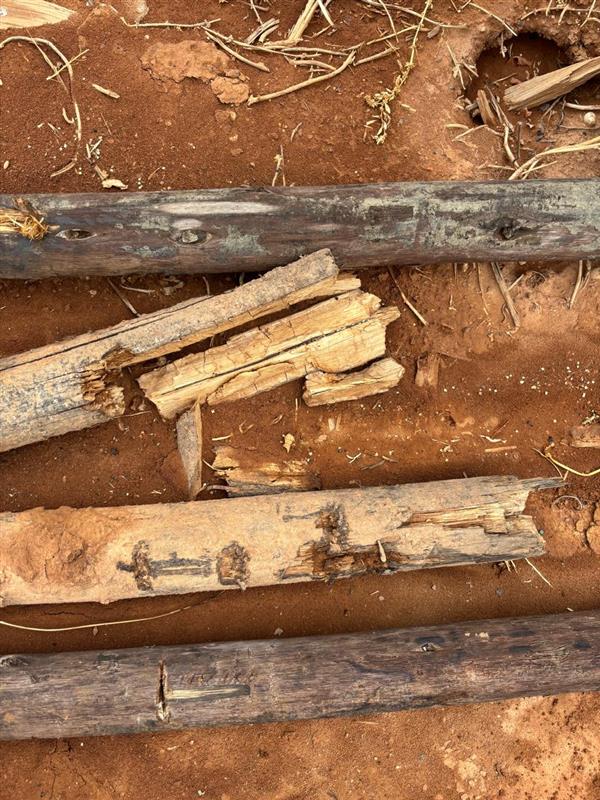
Why Vineyard Poles Are Failing in the Western Cape: 2025 Insights Every Farmer Should Know
Over the past decade, vineyard pole failures in the Northern and Western Cape have become a growing concern, specially in regions where mechanical harvesting has become the norm. SAUPA’s ongoing inspections and research highlight a troubling trend: each year, more wooden poles are breaking, rotting, or losing strength sooner than expected. In this blog, we…
-
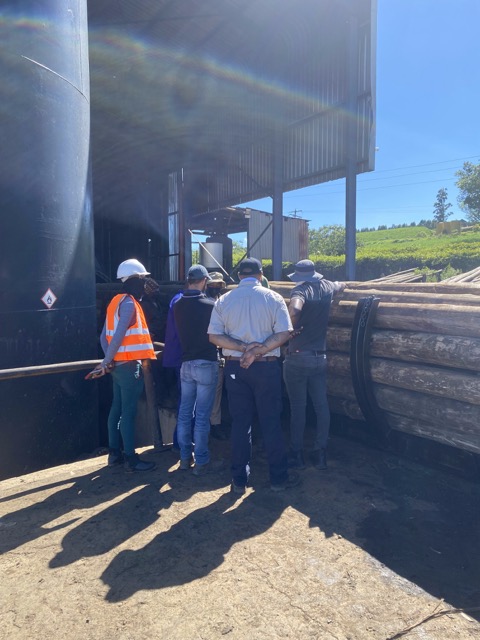
The people behind the poles: How we’re growing skills, standards, and the future of Timber
When most people think about infrastructure, they picture materials like poles, wires, cement, and machinery. But for us at SAUPA, it’s about something far more important: people. Behind South Africa’s thriving utility pole industry is a community of individuals whose knowledge, dedication, and expertise keep this renewable sector strong. And that’s where we come in, as the South…
-

From Plantation to Structural Poles: The Role of Eucalyptus Timber in African Infrastructure
Our Sustainable Timber Backbone At SAUPA, we understand that timber is more than pulp, roofing, furniture, or flooring—it’s a vital part of our nation’s infrastructure. Here in South Africa, eucalyptus trees play a key role in powering communities, supporting electricity networks, communications, and agricultural systems all over Africa. Through our standards and certifications, SAUPA ensures…
-
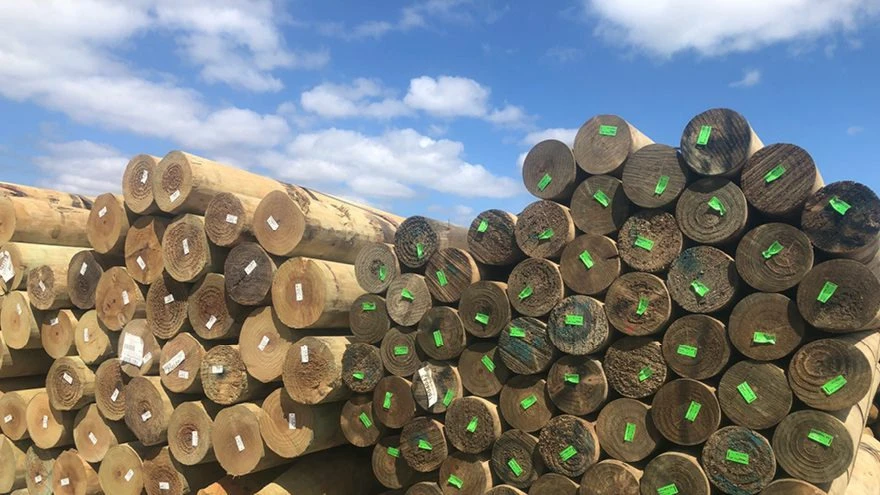
Technical requirements for African utilities and treatment plants to ensure wooden poles last 35 year.
Abstract Over the last 10 years the concrete and steel utility poles has become a serious threat to the wooden pole in Africa. This is due to the early wooden pole failures due to a lack of specifications, standards, and third-party inspections in most African countries. Eskom South Africa, being one of the largest electrical…
-
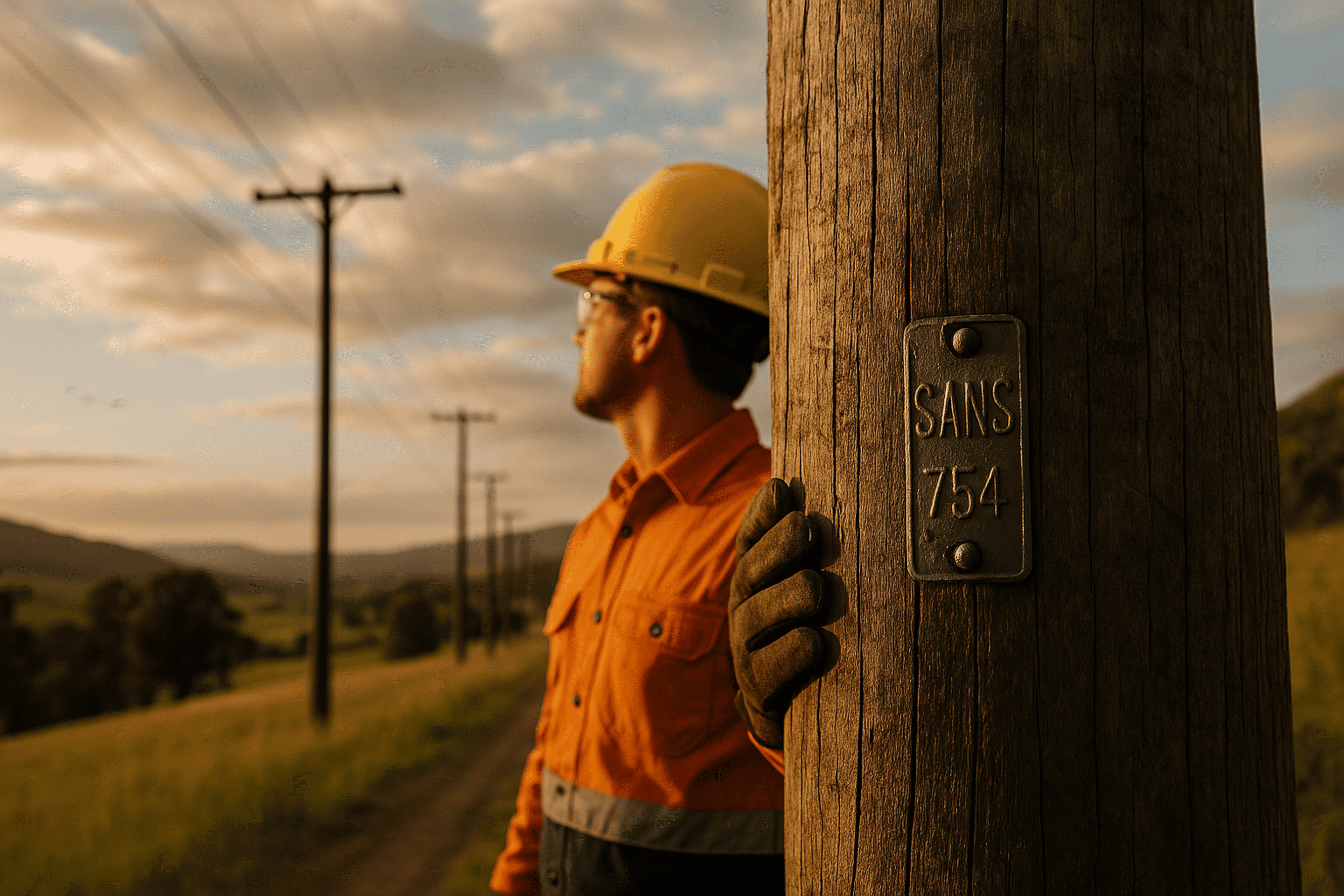
Build It Right: How Treated Poles Enhance Structural Safety
Safety is paramount in every construction or infrastructure project — and a key part of that safety comes from the materials used. Untreated wood, over time, can weaken due to moisture, insects, fungal decay, and exposure to sunlight. These factors can compromise structural integrity, leading to collapses, equipment damage, or even personal injury. Treated poles…
-
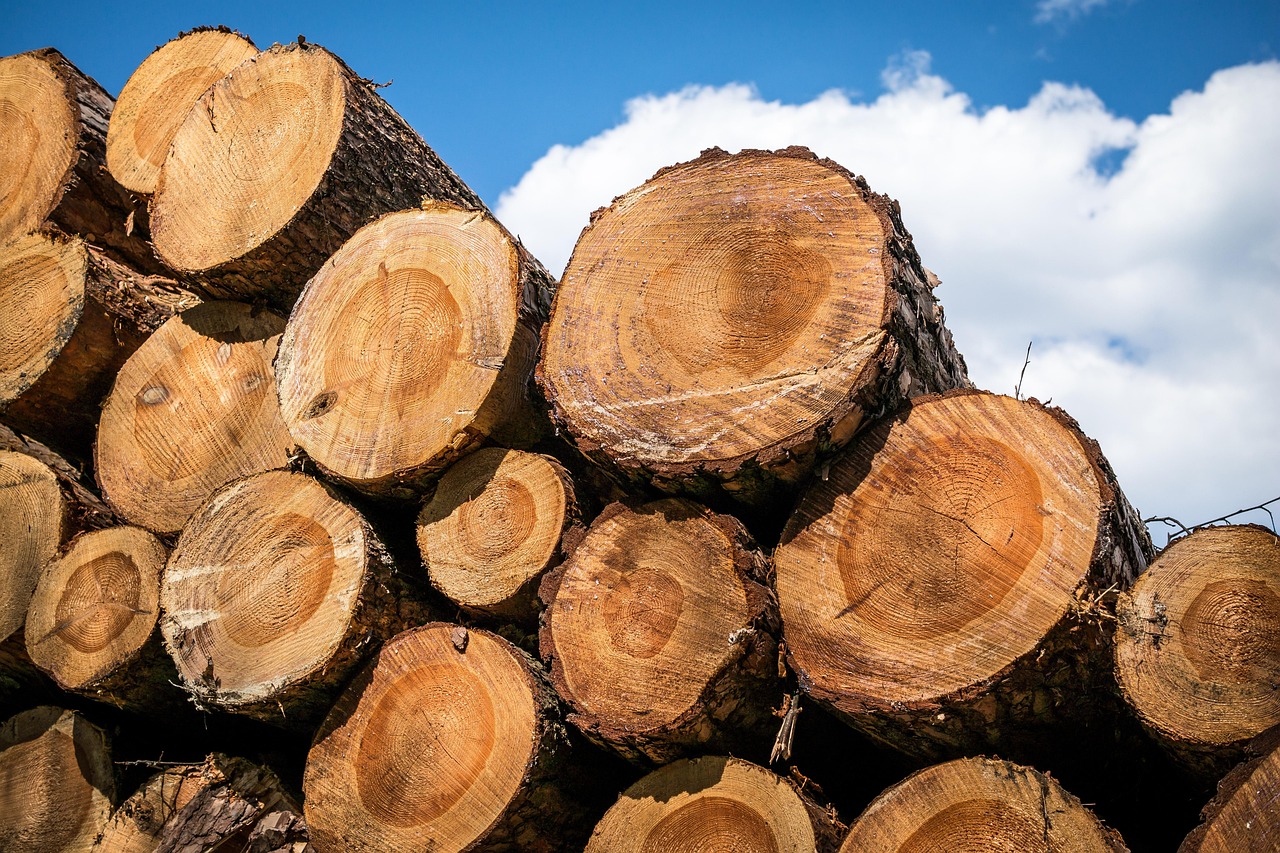
Safety First: Treated Poles Prevent Failures
In any construction or infrastructure project, safety isn’t just a priority — it’s a fundamental requirement. Whether you’re building agricultural fencing, utility structures, or outdoor public spaces, the materials you choose play a crucial role in the long-term stability and security of the entire project. One of the most overlooked risks comes from using untreated…