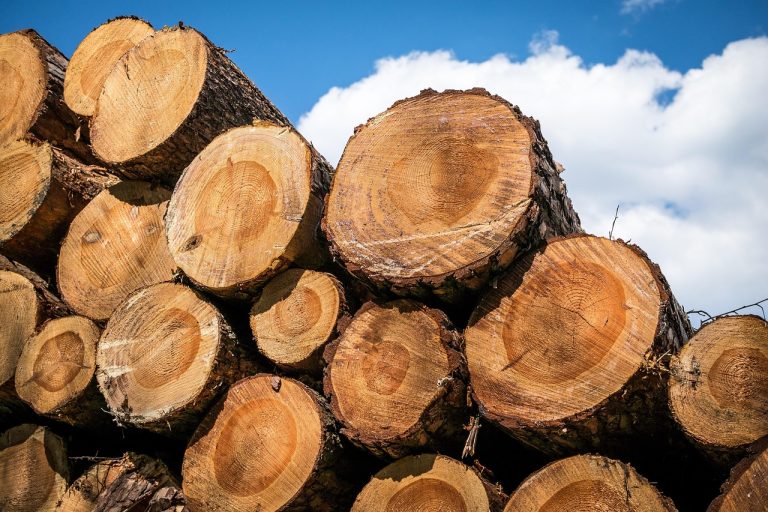
In any construction or infrastructure project, safety isn’t just a priority — it’s a fundamental requirement. Whether you’re building agricultural fencing, utility structures, or outdoor public spaces, the materials you choose play a crucial role in the long-term stability and security of the entire project. One of the most overlooked risks comes from using untreated wood in exposed environments.
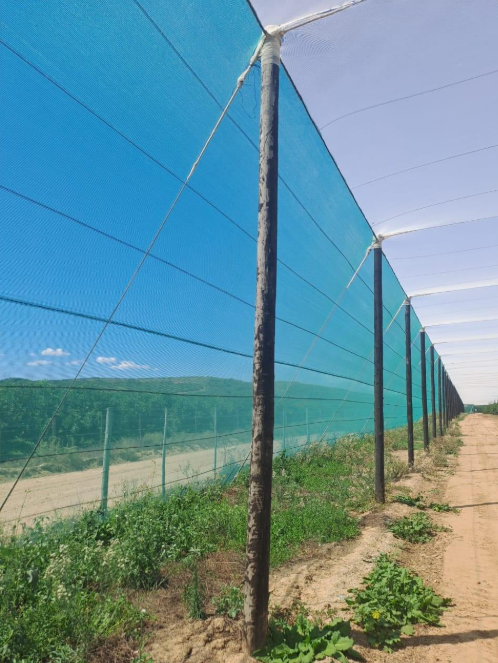
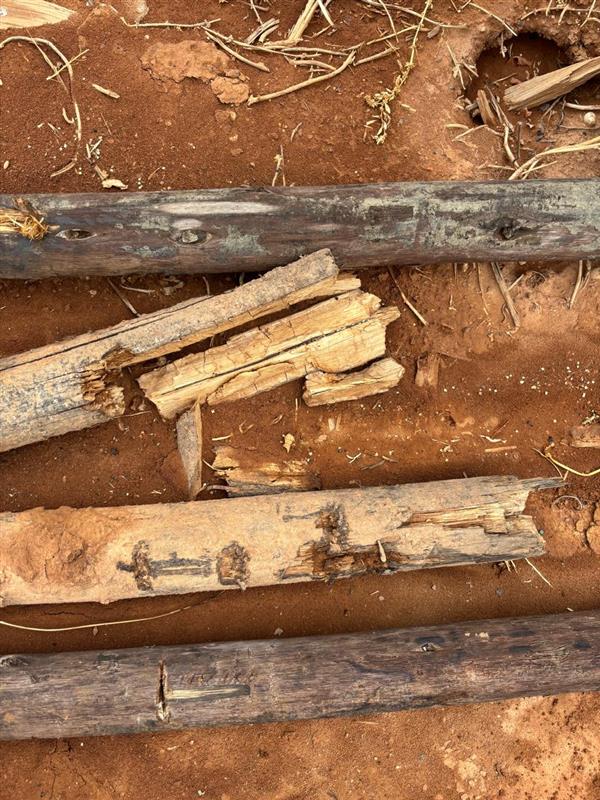
Untreated wooden poles are vulnerable to a range of natural threats. Over time, exposure to moisture, ultraviolet radiation, fungal decay, and insect infestation causes untreated wood to break down. These issues compromise the material’s strength and can lead to structural failures — such as collapsing fences, weakened utility supports, or hazardous leaning posts. The results are not only expensive to repair but also dangerous to nearby people, animals, and equipment.
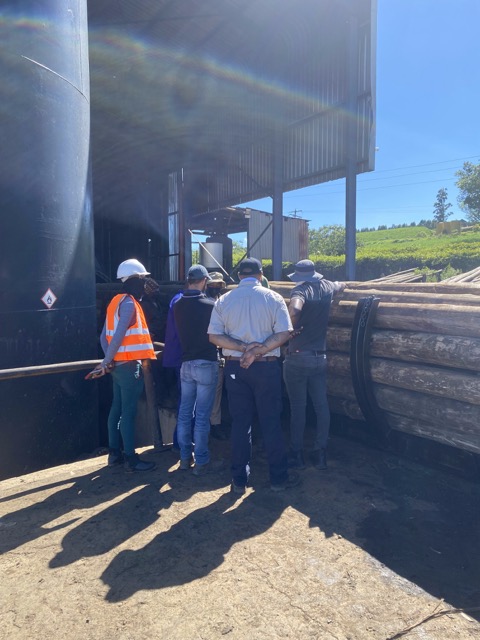
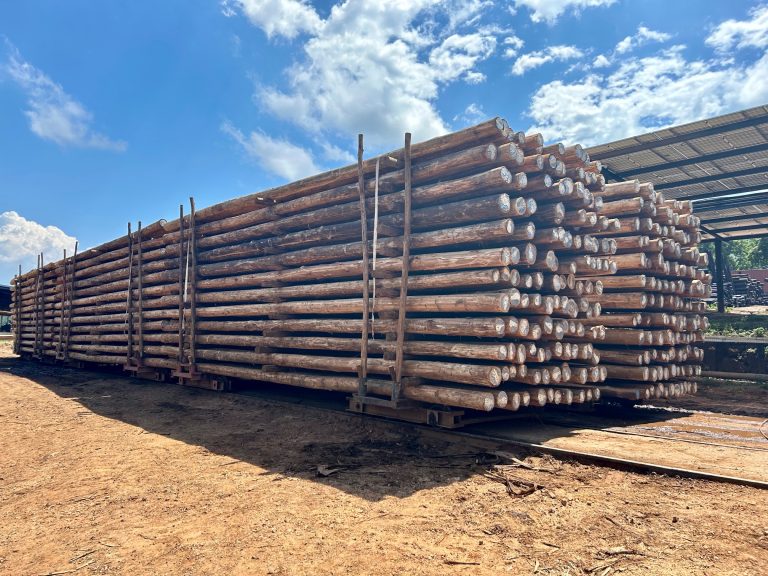
Fortunately, treated wooden poles provide a safer, longer-lasting alternative. Poles treated with Chromated Copper Arsenate (CCA) or creosote undergo a high-pressure preservation process. This method forces protective chemicals deep into the wood fibers, shielding the material from internal rot, external decay, and pest infiltration. As a result, the poles retain their strength, stiffness, and durability for decades — even in extreme weather or high-moisture environments.
The benefits of using treated poles go beyond just durability. Their enhanced structural integrity helps prevent accidents caused by sudden failure. Whether supporting overhead power lines, enclosing livestock, or creating safe walkways, these poles serve as reliable, stable foundations that protect both property and lives.
Additionally, many treated poles meet or exceed safety standards set by regulatory bodies in agriculture, utilities, and construction industries. Their proven performance makes them a smart investment for anyone building with longevity and security in mind.
When you consider what’s at risk — from livestock and infrastructure to human safety — it’s clear that material choice matters. By opting for properly treated wooden poles, you’re choosing a solution that’s engineered for strength, designed for the outdoors, and built with safety at its core.
Don’t cut corners when it comes to safety. Choose treated poles and build with confidence.